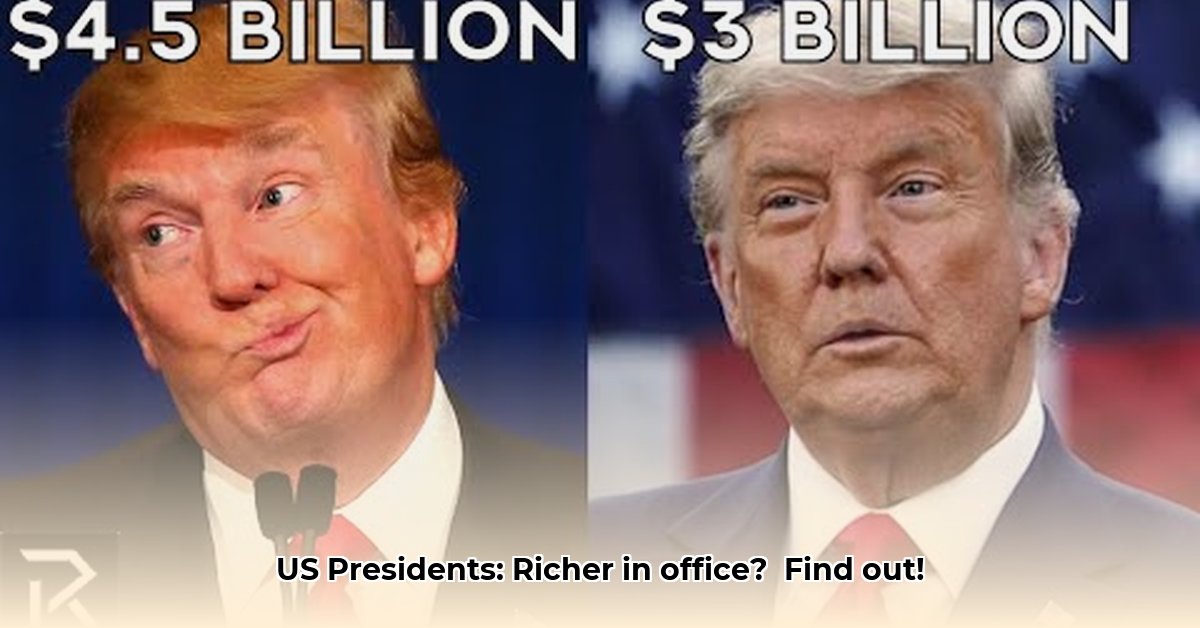
President Net Worth: A Pre- and Post-Presidency Examination
Understanding the financial trajectories of U.S. presidents—their net worth before, during, and after their terms—offers a fascinating glimpse into the intersection of power, influence, and personal wealth. This analysis explores the factors contributing to changes in presidential net worth, examining both the opportunities and ethical considerations involved. How significantly does the presidency impact a president's financial standing, and what ethical implications arise from post-presidency financial endeavors?
This complex issue requires careful consideration of numerous factors. Presidential net worth before entering office varies enormously, ranging from modest means to substantial personal fortunes. This initial financial baseline significantly influences the percentage increase or decrease observed after leaving the White House. But the story doesn’t end there; post-presidency activities and external economic factors play crucial roles in shaping a president’s financial legacy.
The Diverse Starting Points of Presidential Fortunes
The financial landscape of incoming presidents is remarkably diverse. Some, like Donald Trump, enter office with vast self-made fortunes built through business ventures. Others, such as Jimmy Carter, possess far more modest personal wealth accumulated through their prior careers. This disparity in initial net worth significantly impacts post-presidency financial outcomes. A $1 million increase represents a far greater percentage gain for a president with a modest initial net worth compared to one who already possessed a significant fortune. This is a critical factor in any comparative analysis. How, then, do we accurately assess the financial impact of a presidential term when considering such vastly different starting points?
The Post-Presidency Pursuit: Wealth Building Beyond the Oval Office
Following their time in office, presidents often leverage their experience and networks to enhance their financial standing. Many pursue lucrative speaking engagements, commanding substantial fees for appearances before corporations and organizations. Memoirs, often detailing their time in office, can become bestsellers, generating significant income. Consulting roles, especially in areas of expertise developed during their presidency, provide further avenues for financial gain. It becomes clear that post-presidency financial success isn't simply a reflection of their time in office, but a result of their pre-existing skills and the opportunities available to them after leaving the political arena. How much, then, of post-presidency wealth generation is attributable to their past experience versus sheer opportunity?
Key Factors Shaping Post-Presidency Financial Outcomes
Several key elements significantly impact a president's post-presidency financial status:
Pre-Presidency Net Worth: As noted, a president's starting financial position profoundly affects the perceived impact of post-presidency activities.
Post-Presidency Endeavors: The type and intensity of post-presidency activities (speeches, books, consulting) directly influence financial outcomes. A busy schedule of high-paying speaking engagements will yield far greater financial gain than a less intensive schedule of writing and less lucrative opportunities.
Economic Conditions: Macroeconomic fluctuations significantly influence investment returns and overall net worth. A booming economy will likely yield higher returns than a recessionary environment, impacting all financial portfolios, including those of former presidents.
Philanthropic Activities: Many former presidents engage in significant charitable giving, which will naturally impact the rate of their personal wealth accumulation. To fully understand their financial trajectories, their charitable contributions must be considered.
Public Perception and Ethical Considerations
Public scrutiny and ethical considerations are integral to any discussion of presidential wealth. Transparency is paramount to maintaining public trust and avoiding the appearance of conflicts of interest in post-presidency activities. The public perception of a former president's financial success, regardless of the activities generating it, significantly influences political discourse and calls for stricter ethical guidelines for former elected officials. How can we strike a balance between allowing former presidents to pursue legitimate financial opportunities and mitigating potential conflicts of interest?
Data Challenges and Future Research
A comprehensive analysis of presidential net worth requires access to detailed and verifiable financial data, which is often challenging to obtain. While anecdotal evidence and publicly available information provide some insights, a truly comprehensive analysis demands access to more robust data sets. Further research, including an examination of the impact of individual presidential policies on resulting post-presidency financial gains, would provide significant additional insights and expand upon the current understanding of this subject.
Ethical Monetization of Post-Presidency Experience
Navigating the ethical complexities of post-presidency financial pursuits is a critical aspect of this analysis. Former presidents possess unique skills, networks, and experiences, potentially creating a variety of earning opportunities. However, maintaining public trust necessitates meticulous attention to ethical considerations in all post-presidency endeavors. How can former presidents ethically leverage their unique skills and experience for financial gain while upholding the highest ethical standards?
Ethical Frameworks for Post-Presidency Financial Activities
Ethical considerations should guide all post-presidency financial ventures. Strict adherence to transparency, conflict-of-interest avoidance, and responsible use of privileged information are crucial. Transparency must extend to any financial dealings involving family members, ensuring accountability and the prevention of any potential conflicts of interest that cloud the ethical boundaries drawn in this sensitive domain.
Navigating Potential Ethical Pitfalls
Several potential ethical pitfalls require careful consideration:
Speaking Engagements: While lucrative, accepting speaking engagements from organizations involved in regulatory matters or policy areas influenced during their presidency requires meticulous examination to avoid any conflict.
Book Deals: Memoirs and policy analyses can generate significant income; however, careful consideration must be given to avoid using classified or privileged information for personal financial gain.
Consulting: Offering expertise in fields like international relations or policy requires complete transparency about clients and a clear avoidance of any perceived conflicts of interest that could arise from their previous positions.
The Imperative of Transparency
Transparency is fundamental to maintaining public trust. Comprehensive disclosure of all financial activities, including those of family members, is essential. Strengthening regulatory frameworks and independent oversight are necessary to prevent corruption and preserve the integrity of the presidency. How can we develop robust regulatory structures that balance the need for transparency with the protection of individual privacy and financial freedoms?
Conclusion: An Ongoing Examination
The study of presidential wealth before, during, and after their terms is an ongoing examination of the complex interplay of power, influence, and personal finance. While this analysis offers a foundation for understanding the key factors involved, further research and enhanced transparency are required to provide a more complete and nuanced picture of this multifaceted issue. The ethical considerations outlined here will continue to be a focus of public debate, shaping future discussions of presidential conduct and post-presidency activities.